

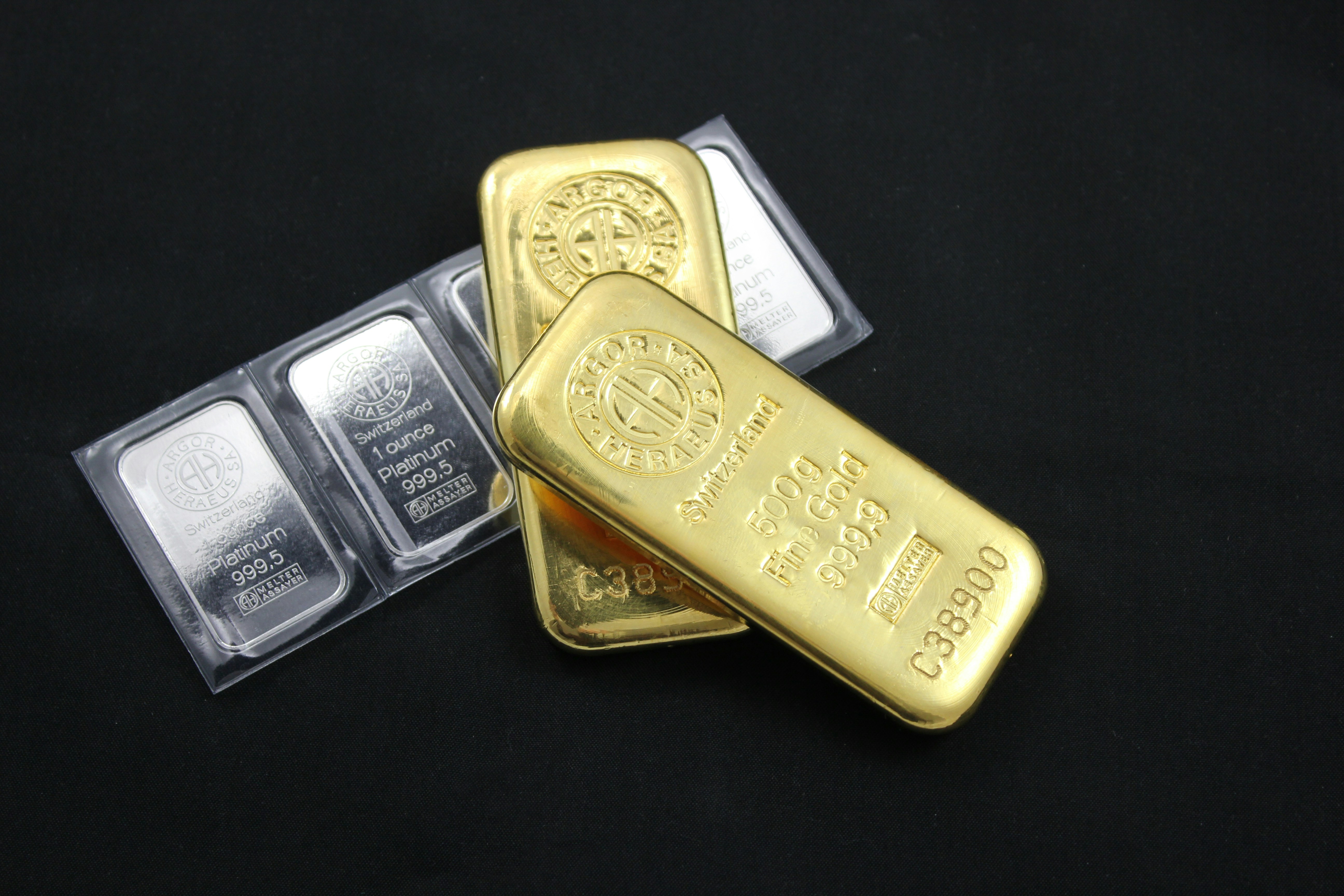
Introduction to Gold as a Currency
Gold has long been regarded as a critical form of currency and a reliable store of value throughout history. Its unique properties, such as rarity, divisibility, and durability, have made it an ideal medium of exchange across various civilizations. From ancient Egyptian pharaohs to modern economies, gold’s significance as a currency remains deeply embedded in the frameworks of trade and finance.
Historically, gold was used in a variety of forms, including coins and bullion, and was often minted by governments or ruling entities. Ancient civilizations, such as those in Mesopotamia and Egypt, recognized gold’s inherent value, leading to its integration into their economic systems. This integration allowed for smoother transactions and enhanced trade practices, thus establishing gold as a fundamental part of commerce.
As societies progressed, the dependence on gold evolved, transitioning from direct trade to use as a monetary backbone. During the medieval period, gold became integral to the emergence of banking systems, where it was often stored in vaults and used as a backing for paper currency. This reliance on gold provided stability to economies, cultivating trust in financial systems and enabling the growth of global trade networks.
Moreover, gold has consistently been regarded as a safe-haven asset during times of economic uncertainty. Investors turn to gold to hedge against inflation and currency devaluation, reinforcing its status as a secure investment. Its historical resilience in the face of financial crises only further cements gold’s role as a core component of economic policies and personal wealth strategies.
The Ancient and Medieval Era of Gold Prices
Gold has served as a symbol of wealth and prosperity since the dawn of civilization. In ancient Egypt, for instance, gold was revered not only for its beauty but also for its rarity. The Egyptians utilized gold extensively in their burial practices, adorning the tombs of pharaohs with this precious metal, which they believed would secure their divine status in the afterlife. This practice significantly influenced the valuation of gold during that era, elevating its status far beyond mere currency. Gold was authenticated through face value assigned by the royal decree, which established its worth based on both intrinsic qualities and cultural significance.
In ancient Rome, gold attained an essential role in trade and commerce. The Roman Empire predominantly used gold coins, known as aurei, which facilitated easier transactions across the vast territory. The use of gold coins standardized trade, therefore, providing a reliable measure of value and an influential factor in determining economic stability. As trade routes expanded, so did the variety of goods exchanged for gold, which led to fluctuations in its value based on supply and demand dynamics. However, the utilization of gold as a medium remained predominant, firmly establishing it as a cornerstone of the Roman economic framework.
During the medieval era, gold continued to play a crucial role in trade, now enhanced by the emergence of banks and financial institutions. The growing demand for gold coins and bullion introduced fluctuations in gold prices that were often reflective of political stability, religious sentiments, and economic conditions. The Crusades notably affected gold’s value; the influx of wealth and goods from the East into Europe led to significant economic shifts. Trade activitities with Asian and African societies also introduced new coins and gold-based currencies into European markets, leading to increased categorization of gold based on regions as well as its intrinsic properties. Overall, gold’s historical significance during these eras laid the groundwork for future economic systems, influencing perceptions and values attributed to this precious metal.
The Gold Standard and Its Impact on Pricing
The gold standard emerged in the 19th century as a pivotal monetary system that linked currency values directly to a specific amount of gold. This system was foundational to international trade, as it provided a stable framework for exchange rates. Countries that adopted the gold standard were required to hold gold reserves proportional to their currency in circulation, which ensured that the value of their money remained stable and trustworthy. As a result, the gold standard helped facilitate economic growth by enabling seamless trade across borders.
The establishment of the gold standard had significant implications for gold prices. Under this system, gold served not only as a medium of exchange but also as a means of settling international balances. Fluctuations in gold demand, driven by mining production and geopolitical factors, directly influenced the price of gold. Countries tied to the standard had to maintain their gold reserves, which in turn affected monetary policy decisions. When gold prices rose due to increased global demand or decreased supply, it had immediate and far-reaching effects on economies, impacting inflation rates and currency values.
The Role of World Wars on Gold Prices
The two World Wars had a profound impact on global economies and, consequently, gold prices. During World War I (1914-1918), many nations abandoned the gold standard, opting instead to finance their wartime expenses through inflationary measures. This decision led to unprecedented economic turmoil, as countries faced massive debts and unemployment rates soared. Amid this economic instability, gold became a symbol of safety, prompting a significant increase in demand. As a result, gold prices fluctuated sharply during this period, driven by its status as a safe-haven asset.
In the years following World War I, the global economy struggled to regain stability. The Treaty of Versailles imposed heavy reparations on Germany, which contributed to hyperinflation and economic distress in the Weimar Republic. This backdrop further solidified gold’s role as a protective asset, with investors flocking to it in search of security during a time of uncertainty. The interwar period saw dramatic shifts in gold prices, influenced by varying monetary policies across nations attempting to stabilize their economies.
The onset of World War II (1939-1945) further exacerbated the situation. Again, nations reverted to war financing practices that undermined paper currency value. The U.S. maintained its adherence to the gold standard initially, but widespread military expenditures necessitated alterations in this policy. After the war, many countries opted to hold gold as a hedge against the economic challenges they faced, creating upward pressure on gold prices. The post-war Bretton Woods system established the U.S. dollar’s convertibility into gold, which initially stabilized the international monetary system but also tied gold prices to the U.S. economic performance.
The 1970s Gold Rush: Economic Turmoil and Price Surge
The 1970s marked a critical juncture in the history of gold prices, characterized by significant economic upheavals that contributed to an unprecedented surge in value. During this decade, a combination of factors including rampant inflation, geopolitical instability, and shifts in monetary policy played a pivotal role in escalating gold’s appeal as a safe-haven asset. As traditional investments faltered, investors increasingly turned to gold for its perceived stability.
Inflation rates soared during the 1970s, reaching double-digit figures across many developed countries. This inflationary environment eroded the purchasing power of fiat currencies, prompting individuals and institutional investors to seek refuge in gold, which traditionally retains value during economic crisis. The abandonment of the gold standard by the United States in 1971 further solidified a shift towards gold investment, as it became evident that currency values could fluctuate significantly.
Moreover, the oil crises of 1973 and 1979 added fuel to the fire, leading to economic stagnation and heightened uncertainty. The Arab-Israeli war and subsequent oil embargo led to supply shortages and steep increases in energy prices, impacting global economies and consumer confidence. In this climate of uncertainty, gold emerged as an attractive investment option, driving up prices from about $35 per ounce in early 1970 to almost $850 per ounce by 1980. This sharp rise in gold prices reflected both the hedge against inflation and the geopolitical risks that characterized the decade.
Amidst these developments, investors began diversifying their portfolios with gold, leading to increased demand in the precious metals market. The surge in prices significantly influenced not only individual investors but also institutions, which began to consider gold as an essential component of their asset allocation strategies. Consequently, the 1970s were defined by a gold rush that would reshape perceptions of value and security in investment strategies worldwide.
The 21st Century: Prices in a Globalized Economy
The dawn of the 21st century brought about significant changes in the global economic landscape, with the value of gold displaying a marked sensitivity to various factors influencing the financial markets. Globalization, characterized by greater interconnectivity and trade among nations, has played an instrumental role in shaping gold prices. As economies became increasingly intertwined, gold emerged as a pivotal asset for diversification and portfolio stability during times of uncertainty.
The 2008 financial crisis serves as a notable inflection point in this era. Triggered by the collapse of the housing market in the United States, the crisis rapidly spread, affecting banks and economies worldwide. Investors turned to gold, viewing it as a safe haven amid stark market volatility. Consequently, gold prices soared, reaching an all-time high in 2011 as confidence in traditional financial institutions eroded and demand for tangible assets surged. During this period, gold’s value was propelled by both fear and uncertainty, reflecting its historical role as a reliable store of wealth.
Additionally, the ongoing fluctuations in currency values, particularly the U.S. dollar, have further influenced gold pricing. As the dollar weakened, the allure of gold often intensified, contributing to higher prices. Factors such as geopolitical tensions, inflation rates, and central bank monetary policies have also emerged as critical determinants of gold’s market value. The interplay of these elements highlights how global economic conditions can lead to rapid price fluctuations in the gold market, reinforcing its character as a responsive and dynamic asset.
In summary, the 21st century has showcased gold prices as responsive to globalization and economic crises, with events like the 2008 financial crisis illustrating gold’s attraction during turbulent times. Understanding these dynamics provides crucial insights into gold’s ongoing relevance in a complex economic arena.
Influences on Gold Prices Today
The value of gold today is not only shaped by historical trends but is also influenced by a multitude of contemporary factors. One significant element is geopolitical instability; conflicts or crises in key regions often lead to increased investment in gold as a safe-haven asset. When uncertainty prevails, investors tend to flock to gold, driving up its price.
Another crucial element affecting gold prices is currency fluctuations, particularly the strength of the U.S. dollar. A declining dollar typically correlates with rising gold prices, as gold becomes cheaper and more attractive to investors holding other currencies. Conversely, a strong dollar can suppress gold prices, making it more expensive for foreign investors.
Central bank policies also play a pivotal role in determining gold values. Actions such as interest rate adjustments, quantitative easing, and overall monetary policy can significantly affect the opportunity cost of holding non-yielding assets like gold. When central banks loosen monetary policy or signal a decrease in interest rates, it often results in higher gold prices as investors seek to hedge against potential inflation or depreciation of currency.
Investor sentiment is another factor that cannot be overlooked. The psychology of investors, driven by market trends, news cycles, and economic forecasts, substantially impacts gold demand. For instance, during periods of economic growth, some investors may divert their funds from gold into equities or other high-yield investments. However, in times of recession or market downturns, gold often experiences a surge in demand as a protective measure.
Additionally, emerging market demand, particularly from countries like China and India, steadily influences the global gold prices. These nations have strong traditions of gold purchasing, and any shifts in their economic dynamics can create ripples in the gold market.
Forecasting Future Gold Prices
Forecasting future gold prices involves a multifaceted approach that takes into account various analytical methods. One of the primary techniques for predicting gold price movements is the examination of historical trends. Analyzing past price data can provide insights into how gold has reacted to global economic events, inflation rates, and changes in investor sentiment. By studying these trends, analysts can identify patterns that may suggest future price movements.
Moreover, current data analysis plays a significant role in formulating price forecasts. This involves examining real-time market indicators such as currency fluctuations, interest rates, and geopolitical events. For instance, when the U.S. dollar weakens, it often leads to higher gold prices since gold is typically priced in dollars. In the same vein, rising inflation rates can drive investors towards gold as a hedge, thereby affecting its market value. Therefore, understanding these variables is essential for accurate forecasting.
Expert opinions are another critical component of predicting gold prices. Analysts and economists regularly provide insights based on qualitative assessments that consider not only hard data but also market sentiment and broader economic forecasts. Their perspectives can shed light on anticipated future events that might influence the gold market, such as changes in government policies or advancements in technology affecting gold mining efficiency.
In conclusion, forecasting gold prices requires a comprehensive understanding of historical trends, current economic indicators, and expert analyses. This multidimensional approach provides a more reliable framework for anticipating future price movements in this volatile market.
Conclusion: The Eternal Allure of Gold
The historical trajectory of gold prices reflects its compelling nature as a valuable asset, serving as a barometer of economic sentiment across various eras. From its role in ancient civilizations to its significance in contemporary financial markets, gold has consistently symbolized wealth and stability. The fluctuations in gold prices are not merely arbitrary; they are influenced by a nexus of factors including geopolitical tensions, inflation rates, and broader economic conditions. Moreover, gold’s pervasive acceptance as a store of value underscores its unique position in the global economy.
Throughout history, periods of economic uncertainty have typically seen a rise in gold’s market value, reinforcing its status as a safe-haven investment. This trend has been particularly pronounced during times of crisis, such as financial recessions or geopolitical conflicts, where investors gravitate towards gold to hedge against potential losses in other asset classes. Consequently, investor confidence in gold remains resilient, further solidifying its role as a protective asset.
Looking forward, gold continues to maintain its allure in investment portfolios and among central banks, indicating its sustained relevance in international finance. As new economic challenges emerge, including shifts towards digital currencies and changing monetary policies, the demand for gold as a tangible asset is likely to persist. In the modern investment landscape, gold is not merely a relic of the past; it is an enduring component that adapts and thrives despite the fluctuations characteristic of its long history.
Ultimately, the enduring significance of gold provides essential insights into its future value, making it a pivotal asset for both individual and institutional investors. As we reflect on its comprehensive history, it becomes evident that gold will continue to hold a prominent place within our economic systems, evoking both interest and craftsmanship in the pursuit of wealth.